Water Pooling Around a Foundation
How to think through sprinklers, runoff and other water sources.
Read article →A burst pipe, leaking water heater or wet crawl space can quickly leave hidden moisture behind. Understand the risks, protect your property and find the right restoration help.
Independent homeowner guidance and restoration referral enquiries. Availability and service terms are confirmed with the provider.
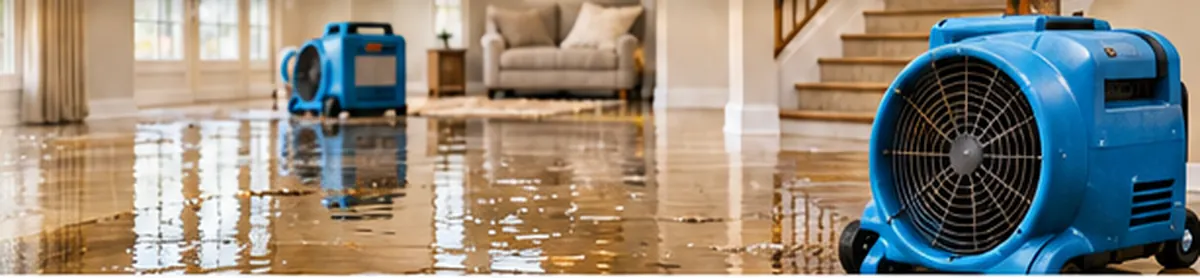
Early decisions can limit secondary damage. The safest action depends on the source and what has been affected.
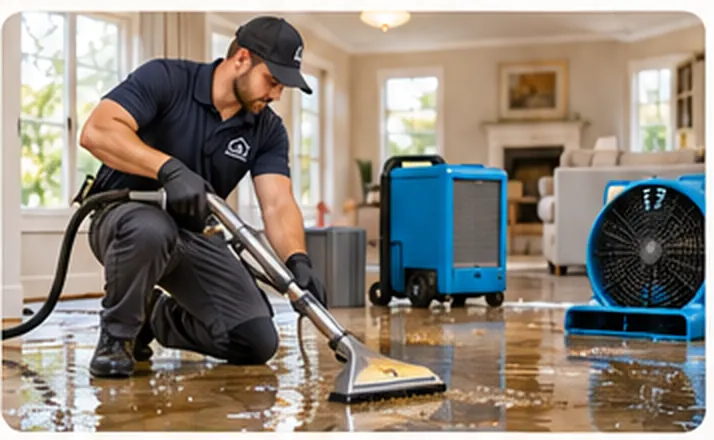
Find information about the response appropriate to each type of water incident. Services and dispatch arrangements depend on the independent provider.

Standing water, extraction, wet materials and urgent mitigation.
Explore water removal →
Moisture readings, air movement, dehumidification and drying verification.
Explore structural drying →
Understand contamination risks and professional water cleanup decisions.
Explore sewage cleanup →
Recurring water beneath homes, possible causes and corrective evaluation.
Explore crawlspace water →
Treasure Valley winter freezes, indoor supply-line leaks, appliance failures, severe weather and drainage conditions can affect properties in different ways. The actual source must be assessed on site.
Restoration is not the same as fixing a pipe. The scope depends on contamination, affected materials and measured moisture—not a fixed package.
Identify hazards, source, water category and affected areas.
Extract standing water and evaluate unsalvageable materials.
Use appropriate equipment and document drying progress.
Confirm drying goals and plan repairs where required.
Indian Creek, seasonal irrigation systems and older building materials can be important context for specific water issues. They are not proof of a particular home's flood exposure or plumbing condition.
Does the moisture appear after irrigation, rainfall or normal plumbing use? Is water returning after extraction? What materials remain wet? These observations are more useful than assuming an entire neighborhood has the same risk.
How to think through sprinklers, runoff and other water sources.
Read article →
Why the water source and material condition influence drying decisions.
Read article →Caldwell winterization and freeze-prevention considerations.
Read article →Quick, accurate answers first. Follow the links for the complete explanation.
A plumber generally repairs a broken pipe or fixture. A water damage restoration provider handles water removal and assessment of wet materials. Both may be needed. Read the decision guide.
Coverage depends on the cause and policy. Sudden internal leaks and external flooding are often treated differently. Read the Idaho coverage guide.
Professional drying verification involves documented moisture readings and suitable drying goals, not appearance alone. Learn more.
Extraction removes accumulated water but may not stop ongoing plumbing leakage, runoff or groundwater intrusion. Review the possible causes.
Real restoration case studies, reviews and credentials should be published only when verified. This website shares independent water-damage information and may refer enquiries to outside providers. How referrals work · Editorial standards.
A full-length reference covering water sources, affected materials, inspection decisions, safety, insurance concerns and local context.
A small leak can become a large restoration project when moisture travels behind baseboards, under floor finishes and into wall cavities. The first decision is not which brand to hire; it is whether the building is safe and what caused the water.
Need to report a water-damage problem? If you need help evaluating water damage, call +1 208-296-7559 or use the contact form. Requesting contact does not guarantee immediate dispatch or confirm a contractor appointment. If a situation presents immediate danger, contact appropriate emergency services first.
Possible sources to check: Burst supply lines during freezing conditions; Leaking water heaters, dishwashers and laundry hoses; Water entering at roofs, windows or lower-level openings; Wastewater backing up through drains; Outdoor runoff or irrigation-related moisture where water enters a structure. These are possibilities, not a substitute for tracing the real water path.
Visible clues to record: Standing water near fixtures or appliances; Soft flooring, lifted plank edges and swollen baseboards; A new ceiling stain or active dripping; Musty odors after the visible water disappears. Note when each clue appears, whether it follows weather or plumbing use, and whether the pattern is getting worse.
Materials that may need evaluation: Drywall, plaster and insulation; Cabinet toe kicks and wood subfloors; Luxury vinyl plank (LVP) and underlayment; Framing, contents and crawlspace materials. A qualified assessment should match testing and treatment to the actual assembly and water category.
Depending on water migration, the inspection may involve Drywall, plaster and insulation, Cabinet toe kicks and wood subfloors, Luxury vinyl plank (LVP) and underlayment and Framing, contents and crawlspace materials. The restoration plan should state which assemblies were actually checked and why particular materials can remain or need attention.
The National Weather Service describes the Treasure Valley as semi-arid but with more precipitation during its cooler months. Winter cold can affect poorly protected piping.
Caldwell operates municipal pressurized irrigation infrastructure; that fact is relevant only when a leak actually involves an irrigation connection or runoff.
Imagine a resident discovers standing water near fixtures or appliances after burst supply lines during freezing conditions. The first question is whether the source is active and the space safe. The next is whether drywall, plaster and insulation became wet and what evidence supports drying or removal. A credible evaluation should distinguish immediate source repair from the mitigation scope, make the uncertainty clear and document the result. This is a hypothetical illustration, not a job completed by this website or a partner.
For an active failed plumbing line, a plumber addresses the source while a restoration professional evaluates and dries affected materials. If electrical, structural or sewage hazards are present, keep people out of the area and contact appropriate emergency professionals.
Yes. The top surface may look normal while moisture is trapped in underlayment or subfloor. Assessment depends on the floor assembly and how the water entered.
Some sudden accidental internal leaks may be covered, while outside flooding generally requires separate flood coverage. Review your policy and ask the insurer about the specific cause.
Act promptly. EPA recommends drying wet areas and items within about 24–48 hours when feasible to reduce mold risk; extensive or contaminated water needs professional assessment.
A referral website may introduce you to an independent contractor; that contractor must explain its own qualifications, contracts, warranties, dispatch times and insurance. Do not assume the website itself performs the work. If you need help evaluating water damage, call +1 208-296-7559 or use the contact form. Requesting contact does not guarantee immediate dispatch or confirm a contractor appointment. If a situation presents immediate danger, contact appropriate emergency services first.
Understand your options or request contact about restoration services.