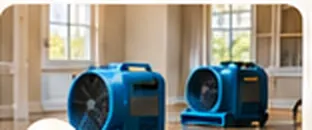
Professional structural drying is about reducing material moisture to appropriate conditions, not merely leaving fans running for a set number of days.
Need to report a water-damage problem? If you need help evaluating water damage, call +1 208-296-7559 or use the contact form. Requesting contact does not guarantee immediate dispatch or confirm a contractor appointment. If a situation presents immediate danger, contact appropriate emergency services first.
What should homeowners check before choosing a restoration response?
Possible sources to check: Water trapped under flooring; Wet wall cavities; Water entering porous framing; Persistently damp interior air. These are possibilities, not a substitute for tracing the real water path.
Visible clues to record: Moisture readings remain elevated; Paint bubbles after a leak; Odor persists despite extraction. Note when each clue appears, whether it follows weather or plumbing use, and whether the pattern is getting worse.
Materials that may need evaluation: Subfloor; Framing; Plaster or drywall; Insulation. A qualified assessment should match testing and treatment to the actual assembly and water category.
How can the source, symptoms and affected materials be documented?
- Record material-specific starting readings
- Control temperature and relative humidity
- Select appropriate air movement and dehumidification
- Monitor progress and document completion
Which materials need evaluation?
Depending on water migration, the inspection may involve Subfloor, Framing, Plaster or drywall and Insulation. The restoration plan should state which assemblies were actually checked and why particular materials can remain or need attention.
What determines an appropriate drying and repair scope?
- What readings show progress?
- Which materials were not accessible?
- What criteria support stopping equipment?
Which shortcuts could make the problem worse?
- Don’t use a universal fixed drying time
- Don’t infer that dry-looking paint means a dry wall
What can cause structural drying & dehumidification?
Possible causes include water trapped under flooring, wet wall cavities, water entering porous framing. Those are starting points, not a diagnosis for a particular building. The responsible contractor should identify the actual source before prescribing permanent repairs.
Which signs suggest the problem is spreading or changing?
Relevant observations include moisture readings remain elevated, paint bubbles after a leak, odor persists despite extraction. The visible symptoms may not show the complete moisture path, so concealed assemblies may also need assessment.
How can I evaluate help with Structural Drying & Dehumidification in Caldwell?
A referral website may introduce you to an independent contractor; that contractor must explain its own qualifications, contracts, warranties, dispatch times and insurance. Do not assume the website itself performs the work. If you need help evaluating water damage, call +1 208-296-7559 or use the contact form. Requesting contact does not guarantee immediate dispatch or confirm a contractor appointment. If a situation presents immediate danger, contact appropriate emergency services first.
Related Caldwell water-damage resources
- Water Damage Restoration in Caldwell, ID
- Emergency Water Removal in Caldwell, ID
- What to Do After Water Damage in Caldwell
- Water Damage Restoration Cost in Caldwell: What Affects Your Bill
- Does Idaho Homeowners Insurance Cover Water Damage?